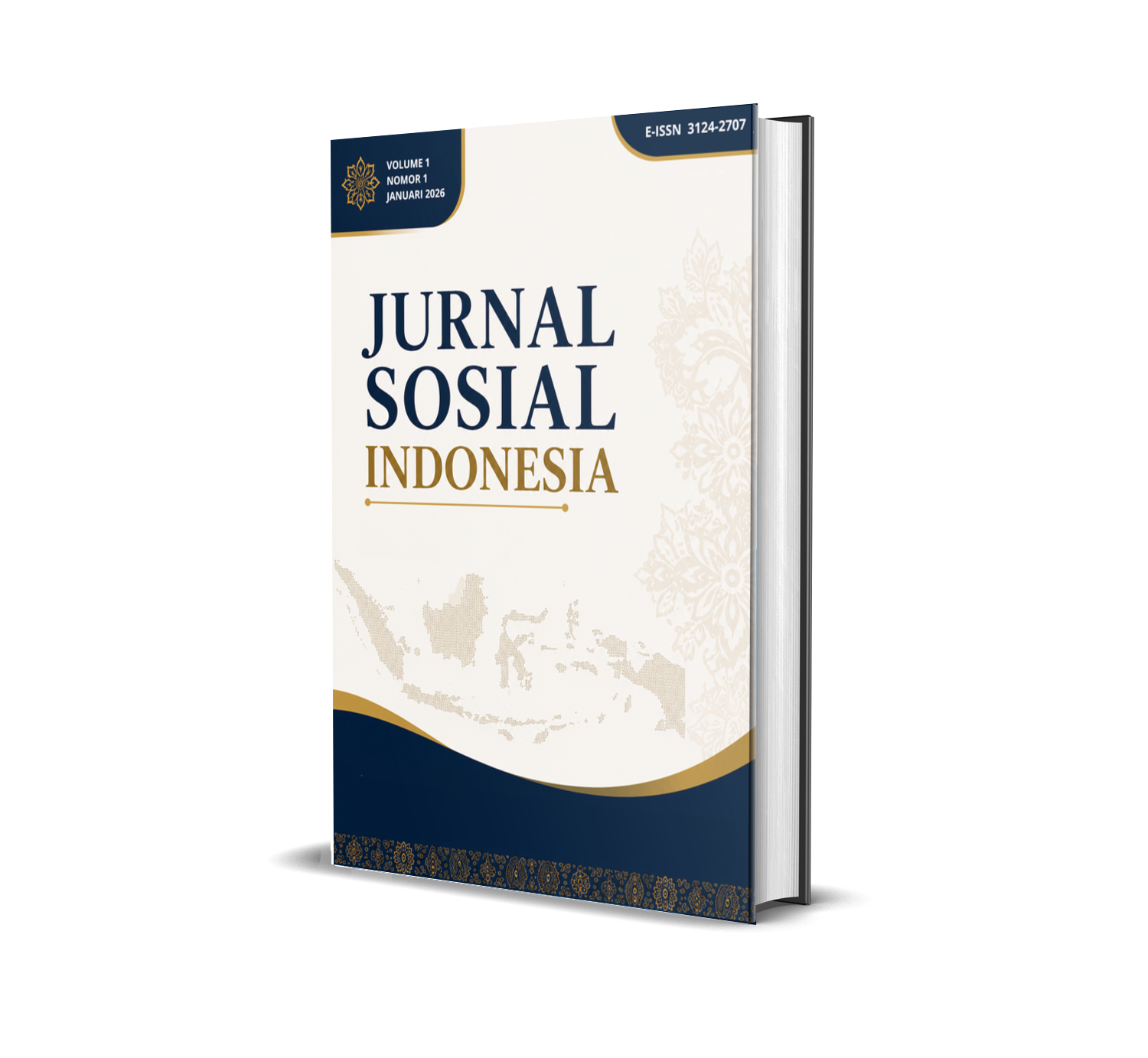
The Role of Habits in Shaping Future Criminal Behavior: A Forensic Perspective
DOI:
https://doi.org/10.31293/jsi.v1i1.9Keywords:
Role of Habits, Criminal Behavior, Forensic PsychologyAbstract
This research explores the critical role of habitual behavior in shaping future criminal conduct, particularly within forensic psychology. Habitual behavior, which involves repeated actions that become ingrained over time, significantly increases the likelihood of recidivism, particularly among offenders engaged in violent or drug-related crimes. The study aims to examine how habitual patterns of criminal behavior contribute to the persistence of criminal activity and how forensic psychology can offer insights for effective intervention. A systematic literature review was conducted using databases such as PubMed, PsycINFO, and Scopus, focusing on peer-reviewed articles related to habitual behavior, recidivism, and psychological intervention. The findings reveal that habitual offenders are at a heightened risk of re-offending due to entrenched behavioral patterns and the reinforcing effects of addiction and social environments. The research emphasizes the importance of rehabilitation programs, including cognitive-behavioral therapy, that target these ingrained behaviors to reduce recidivism. The study underscores the need for a more comprehensive approach to criminal rehabilitation, focusing on the psychological, social, and environmental factors that perpetuate habitual offending.
References
Adams, B., & Carter, P. (2021). Cognitive Behavioral Approaches to Habit Modification in Offenders. Behavioral Sciences and the Law, 40(3), 285–299.
Aiken, M., Davidson, J., Walrave, M., Ponnet, K., Phillips, K., & Farr, R. (2024). Intention to Hack? Applying the Theory of Planned Behaviour to Youth Criminal Hacking. Forensic Sciences, 4(1), 24–41.
Ajzen, I., Czasch, C., & Flood, M. G. (2009). From Intentions to Behavior: Implementation Intention, Commitment, and Conscientiousness 1. In Journal of Applied Social Psychology (Vol. 39).
Albdareen, R., Al-Gharaibeh, S., Alraqqad, R. M. R., & Maswadeh, S. (2024). The impact of ethical leadership on employees’ innovative behavior: The mediating role of organizational commitment. Uncertain Supply Chain Management, 12(1), 521–532. https://doi.org/10.5267/j.uscm.2023.8.019
Ali, M., Islam, K., Chung, S., Zayed, N., & Islam. (2021). The correlation between job-hopping attitude and turnover behavior: A job satisfaction perspective in Bangladesh. International Journal of Business and Management Future, 5(1), 14–26.
Allgood, S. A., & Walstad, W. (2012). The Effects of Perceived and Actual Financial Literacy on Financial Behaviors. SSRN Electronic Journal. https://doi.org/10.2139/ssrn.2191606
Alon, I., Lee, K., & Zheng, Y. (2019). Organizational Behavior and Human Decision Processes. Journal of Marketing Research, 56(1), 85–101.
American Bar Association. (2020). Death Penalty and Mental Illness: Assessing the Intersection. ABA Journal of Criminal Law, 14(6), 130–145.
Applebaum, A. J., & Breitbart, W. (2013). Third-wave cognitive behavioral therapies for caregivers of cancer patients: A scoping review. Palliative & Supportive Care, 11(1), 1–10.
Armstrong, G., Atkin, C., & Wells, J. (2015). The Relationship Between Work Family Conflict, Correctional Officer Job Stress, and Job Satisfaction. Criminal Justice and Behavior, 42(10), 1066–1082.
Arnold, J. A., Arad, S., Rhoades, J. A., & Drasgow, F. (2000). The Empowering Leadership Scale: The construction and validation of a new scale for measuring leader behaviors. Journal of Organizational Behavior, 21(3), 249–269.
Azjen, I., & Fishbein, M. (1980). Understanding Attitudes and Predicting Social Behavior. Prentice-Hall Englewood Cliffs.
Baker, T., & Harris, K. (2021). The Influence of Habitual Behavior on Criminal Sentencing Outcomes. Journal of Law and Human Behavior, 45(6), 563–578.
Balal, I., Ahmed, U., & Sani, A. (2021). Testing the Prediction of Knowledge Sharing Behavior through the Lens of Organizational Culture and Organizational Citizenship Behavior. International Association For Educators And Research, 3(1), 28–42.
Barriga, A., Landau, J., Stinson, B., Liau, A., & Gibbs, J. (2000). Cognitive distortion and problem behaviors in adolescents. Criminal Justice and Behavior, 27(1), 35–56. https://doi.org/https://doi.org/10.1177/0093854800027001004
Baumeister, R. F., & Bushman, B. J. (2004). Social psychology and human behavior. Thomson Wadsworth.
Bradford, B., & Jackson, J. (2009). Public trust in criminal justice: A review of the research literature in the United States. University College London - Jill Dando Institute of Security and Crime Science., 1(1), 1–12.
Brooker, C., & Marples, C. (2021). Forensic Psychological Assessment in Death Penalty Cases. International Journal of Forensic Science, 68(5), 152–168.
Brown, P., & Green, T. (2022a). Habitual Offending and the Criminal Justice System: An Empirical Analysis. Journal of Forensic Sciences, 67(2), 364–374.
Brown, P., & Green, T. (2022b). Habitual Offending and the Criminal Justice System: An Empirical Analysis. Journal of Forensic Sciences, 67(2), 354–368.
Bulut, Sefa, & Maraba. (2021). Generation Z and its Perception of Work through Habits, Motivations, Expectations Preferences, and Work Ethics. Psychology and Psychotherapy Research Study, 4(1), 1–5.
Byrne, L., & Ní Ghráda, M. (2019). The application and adoption of four ‘third wave’ psychotherapies for mental health difficulties and aggression within correctional and forensic settings: A systematic review. Aggression and Violent Behavior, 44, 1–10.
Chandon, P., Morwitz, V., & Reinartz, W. (2009). Do Intentions Really Predict Behavior? Self-Generated Validity Effects in Survey Research. Journal of Marketing, 73(2), 49–69.
Cheong, M. S., Chang, K. K., & Lee, J. J. (2019). The effects of empowering leadership on innovative behavior: The mediating role of organizational commitment. Journal of Business Research, 98, 30–38.
Cunningham-Williams, R. M., & Cottler, L. B. (2011). The role of financial literacy in predicting online gambling behaviors. Journal of Financial Counseling and Planning, 22(2), 25–34.
Davis, K., & Thompson. (2020). Habitual Behavior and Juvenile Delinquency: A Developmental Perspective. Journal of Youth and Adolescence, 49(5), 970–1001.
Dawson, L., & Hamilton, S. (2020). Forensic psychology and the ethics of death penalty assessments: A critical review. Journal of Forensic Legal Medicine, 1(1), 1–13.
DeForest, E. (2022). A Reflection on Contemporary Issues Regarding the Death Penalty. Criminal Justice Review, 17(5), 456–472.
Deka, D. (2022). Psychological Factors in Property Crimes: Theories, Traits, and Treatment. In Victimology: A Comprehensive Approach to Forensic, Psychosocial and Legal Perspectives. Springer International Publishing, 1(1), 283–311.
Delmas, M., & Pekovic, S. (2018a). Corporate sustainable innovation and employee behavior. Journal of Business Ethics, 150(1), 1071–1088.
Delmas, M., & Pekovic, S. (2018b). Corporate sustainable innovation and employee behavior. Journal of Business Ethics, 150(1), 1071–1088.
Dixuan, Z., Xiaohong, W., & Shaopeng, Z. (2024). The influence of shared leadership on taking charge behavior: Dual perspective of cognition-affection. Journal of Management and Organization, 1(1), 1–10.
Eagly, A., & Wood, W. (1999). The origins of sex differences in human behavior: Evolved dispositions versus social roles. American Psychologist, 54(6), 408–423.
Erdogan, D. T., Heras, M. L., Rofcanin, Y., Bosch, M. J., & Stollberger, J. (2022). Family motivation of supervisors: Exploring the impact on subordinates’ work performance via family supportive supervisor behaviors and work–family balance satisfaction. Journal of Applied Social Psychology. https://doi.org/10.1111/jasp.12919
Evans, M., & White, S. (2022). Habitual Criminal Behavior: A Meta-Analysis of Predictive Factors. Journal of Criminal Psychology, 17(4), 256–270.
Fagan, J., & Davies, P. (2020). The Death Penalty and Mental Illness. Journal of Criminal Justice Studies, 45(2), 213–227.
Fernandes, Lynch, J. G., & Netemeyer, R. G. (2014). Financial literacy, financial education, and downstream financial behaviors. Management Science, 60(8), 1861–1883.
Fil, I., Cahyadi, Y., Rahma, F., & Andriati, R. (2023). The Relationship Betweet Emotional Eating Behavior, Energy Intake and Workload With Symptomps of Stres When Writing A Thesis On Stikes Sidya Dharma Husada Tanggerang. Ikesma, 19(2), 1–7.
Fischer, M., & Braun, L. (2023). Social behavior after romantic relationship dissolution. Journal of Behavioral Studies, 29(1), 134–146.
Garcia, F., & Lee, H. (2023). The Role of Habit in Recidivism: Insights from Longitudinal Studies. Criminal Justice Policy Review, 34(1), 68–82.
Graziano, P. A., & Hart, K. (2016). Beyond behavior modification: Benefits of social–emotional/self-regulation training for preschoolers with behavior problems. Journal of School Psychology, 58, 91–111. https://doi.org/10.1016/j.jsp.2016.07.004
Greene, J., & Harris, P. (2021). Mental health evaluations and their influence on death penalty decisions: A forensic psychological perspective. Forensic Psychology Review, 12(2), 78–89.
Guangning, Z., Xinxin, Z., & Yingying, W. (2024). Perceived insider status and employees’ innovative behavior: the role of knowledge sharing and organizational innovation climate. Eurpopean Journal of Innovation Management, 27(2), 589–607.
Guenzi, P., & Nijssen, E. J. (2024). In search of digital solution sellers: the role of non-monetary motivation and empowering leadership behaviors. Journal of Personal Selling and Sales Management. https://doi.org/10.1080/08853134.2024.2305496
Gunawan, H. (2019). Inovasi konservasi habitat macan tutul jawa (Panthera pardus melas) di Lanskap Hutan Terfragmentasi. Badan Penelitian Pengembangan Dan Inovasi Kementrian Lingkungan Hidup Dan Kehutanan, 1(1), 1–12.
Helmond, P., Overbeek, G., Brugman, D., & Gibbs, J. (2015). A meta-analysis on cognitive distortions and externalizing problem behavior: Associations, moderators, and treatment effectiveness. Criminal Justice and Behavior, 42(3), 245–262.
Henderson, H., Maguire, E., & Gray, J. (2015). Evaluating The Measurement Properties of Procedural Justice In A Correctional Setting. Criminal Justice And Behavior, 1(1), 384–400.
Hicks, R., & Turner, D. (2020). Theoretical Models of Habit Formation and Their Application to Criminal Behavior. Journal of Theoretical Psychology, 1(1), 285–294.
Horne, J., & Orr, J. (1998). Assessing behaviors that create resilient organizations. Repéré à: Https://Mysearc, 1(1), 29–39.
Hua, W., Fang, Y., Qureshi, I., & Janssen, O. (2015). Understanding employee innovative behavior: Integrating the social network and leader–member exchange perspectives. Organizational Behavior, 1(1), 1–18.
Jaramillo, F., Bande, B., & Varela, J. (2015). Servant Leadership and Ethics: A Dyadic Examination of Supervisor Behaviors and Salesperson Perceptions. Journal of Personal Selling & Sales Management, 35(2), 108–124.
Jasmine, Y., Dimala, C., & Maulidia, A. (2024). An Examination of Self-Concept and Consumptive Behavior: The Phenomenon of Online Shopping. Psikostudia: Jurnal Psikologi, 13(4), 527–533.
Javed, M., Ali, Q., Awan, A., & Nasir, U. (2024). Environmentally specific servant leadership and workplace pro-environmental behavior: A dual mediation in context of hotel industry. Journal of Cleaner Production, 446, 141095. https://doi.org/10.1016/j.jclepro.2024.141095
Jaya, A., Hariadi, A., Sulastri, N., & Zuhairani, S. (2024). The Influence of Behavioristic Counseling on Students’ Toxic Relationships. Reflection Journal, 4(1), 15–22.
Johnson, R., & Mitchell, S. (2022). Habitual Behavior and Its Role in Criminal Profiling. Journal of Investigative Psychology and Offender Profiling, 1(1), 102–117.
Jones, L. M., & Olsson, C. A. (2019). Parenting and children’s emotional and behavioral regulation. Journal of Child and Family Studies, 28(7), 1791–1799. https://doi.org/10.1007/s10826-019-01417-4
Jones, L., & Olsson, C. (2019). Parenting and children’s emotional and behavioral regulation. Journal of Child and Family Studie, 28(7), 1791–1799.
Juliana, Pramezwary, A., Djakasapura, A., & Aprianti, T. (2019). Hospitality Organizational Behavior (Nasrudin, Ed.; 1st ed., Vol. 1). Nasya Expanding Manajemen.
Kim, J., & Ryu, S. (2024). Influencer marketing and its impact on digital consumer behavior: A comparative study. Journal of Digital Influence, 9(2), 141–155.
King, J., & Lewis, A. (2024). Habitual Behavior and Its Impact on Crime Prevention Strategies. Journal of Crime Prevention, 28(1), 88–101.
Kishita Takei Y. & Stewart I., N. (2016). A meta-analysis of third wave mindfulness-based cognitive behavioral therapies for older people. International Journal of Geriatric Psychiatry, 31(11), 1213–1223.
Klontz, B., Britt, S. L., Mentzer, J., & Klontz, T. (2011). Money Beliefs and Financial Behaviors: Development of the Klontz Money Script Inventory. Journal of Financial Therapy, 2(1). https://doi.org/10.4148/jft.v2i1.451
Kossek, E., & Ozeki, C. (1998). Work-Family Conflict, Policies, and the Job-Life Satisfaction Relationship: A Review and Directions for Organizational Behavior-Human Resources Research. Journal of Applied Psychology, 83(2), 139–149.
Kumi, R., & Sabherwal, R. (2018). Knowledge sharing behavior in online discussion communities: Examining behavior motivation from social and individual perspectives. Wiley, 26(2), 110–122.
Kyei-Frimpong, M., Berko Obeng Damoah, O., & Osafroadu Amankwah, M. (2024). Modeling innovative work behavior through leadership behaviors in the hospitality industry; the role of work–family enrichment. Journal of Hospitality and Tourism Insights. https://doi.org/10.1108/JHTI-11-2023-0815
Li, X., Zhao, X., & Ma, R. (2019). The impact of destination image on tourists’ intention to visit and recommendation behavior: Evidence from China’s outbound tourists. Tourism Management, 74(1), 76–89.
Lorinkova, N. M., & Perry, S. J. (2013). The role of empowering leadership in improving innovative behavior and promoting organizational citizenship behaviors. The Leadership Quarterly, 24(4), 477–493.
Louw, A., & Smith, R. (2016). Mental disorders and the death penalty: A legal perspective. Journal of Criminal Law and Criminology, 102(4), 829–850.
Mahanani, M., Pradella, P., & Hamdi, S. (2021). Mental Health and Capital Punishment: A Forensic Psychological Perspective. Forensic Psychology Review, 30(2), 141–156.
Mandel, D., & Johnson, J. (2020). Habitual Behavior and Criminal Recidivism: A Longitudinal Study. Journal of Criminal Justice, 48(1), 28–36.
Marcopulos, B. (2024). Forensic neuropsychological assessment in death penalty cases. Behavioral Sciences and the Law, 42(2), 182–195.
Martinez, A., & Robinson, C. (2021). The Neuroscience of Habit Formation and Its Implications for Criminal Behavior. Neuropsychology Review, 31(1), 87–101.
Meyer, A. N., Murphy, G. C., Zimmermann, T., & Fritz, T. (2021). Enabling Good Work Habits in Software Developers through Reflective Goal-Setting. IEEE Transactions on Software Engineering, 47(9), 1872–1885. https://doi.org/10.1109/TSE.2019.2938525
Moorman, R. (1991). Relationship between organizational justice and organizational citizenship behaviors: Do fairness perceptions influence employee citizenship? Journal of Applied Psychology, 76(6), 845–855.
Morris, L., & Parker, J. (2023). Habitual Patterns in Criminal Behavior: Implications for Predictive Policing. Journal of Quantitative Criminology, 21(3), 415–430.
Muchlis, A., Ridwan, M., & Arfiani, S. (2020). Legal Counseling about Vocational School Students ’Understanding of Bullying in Criminal and Civil Law Perspective in Dr. Indra Adnan Indragiri College Tembilahan Vocational High School. Karya Ilmiah Pengabdian Masyarakat, 1(3), 1–14.
Mytra, P., Asrafiani, A., Budi, A., Hardiana, H., & Irmayanti, I. (2022). Implementasi Teori Belajar Behavioristik dalam Pembelajaran Matematika. JTMT: Journal Tadris Matematika, 3(2), 45–54.
Nelson, P., & Carter, M. (2022). Habitual Behavior and Its Role in Criminal Rehabilitation Programs. Journal of Offender Rehabilitation, 61(3), 219–233.
Nguyen, P., & Kim, J. (2024). Habitual Behavior and Its Influence on Criminal Rehabilitation Programs. Journal of Forensic Rehabilitation, 15(2), 131–144.
Osman, S., & Wood, J. (2020). Rethinking How We View Gang Members: An Examination into Affective, Behavioral, and Mental Health Predictors of UK Gang-Involved Youth. Youth Justice, 1(2), 93–112.
Özgüleş, B., Orhan, F., & Keçeli, S. (2018). Bibliometric Analysis of Articles on Organizational Behavior. Toplumsal Politika Dergisi, 4(2), 184–201.
Palma, & Eva, J. (2024). Organizational Commitment of Non-Tenured Employees in The Philippine Government Service: A Behavioral Model. International Journal of Advanced and Applied Sciences, 11(3), 8–18.
Pan, P., & Yeh, C. (2018). Internet addiction among adolescents may predict self-harm/suicidal behavior: a prospective study. The Journal of Pediatrics, 197(1), 262–267.
Phillips, R. (2012). Predicting the Risk of Future Dangerousness. Journal of Ethics, 22(3), 100–110.
Piccolo, R. F., & Colquitt, J. A. (2006). Transformational leadership and job behaviors: The mediating role of core job characteristics. Academy of Management Journal, 49(2), 327–340.
Poldrack, R. (2017). Predicting Violent Behavior: What Can Neuroscience Add. Journal of Neuroscience, 37(5), 875–884.
Pratikto, H., Agustina, Y., & Kiranawati, T. M. (2023). The Influence of Various Factors on MSME Halal Certification Behavior: An Analysis With Intention as an Intervening Variable. International Journal of Professional Business Review, 8(9), e3444. https://doi.org/10.26668/businessreview/2023.v8i9.3444
Putri, A., & Prastika, N. (2024). Exploring the Impact: Understanding Employees’ Innovative Work Behaviors Reviewed from Work Autonomy. Psikoborneo: Jurnal Ilmiah Psikologi, 12(2), 261–271.
Ramalho, T. B., & Forte, D. (2019). Financial literacy in Brazil – do knowledge and self-confidence relate with behavior? RAUSP Management Journal, 54(1), 77–95. https://doi.org/10.1108/RAUSP-04-2018-0008
Roberts, C., & Evans, L. (2020). Habitual Offending and the Role of Environmental Cues. Environmental Psychology, 45(1), 10–23.
Roberts, C., & Stevenson, L. (2021). Forensic assessments of death row inmates with mental disorders: A critical review of the literature. Psychology, Crime & Law, 27(5), 410–425.
Rohayati, A. (2014). Pengaruh Kepuasan Kerja Terhadap Organizational Citizenship Behavior. Jurnal Study and Management Research, 11(1), 20–38.
Rokaya, A., Shehadeh, A., Muhammad, R., & Sanaa, M. (2024). The impact of ethical leadership on employees’ innovative behavior: The mediating role of organizational commitment. Uncertain Supply Chain Management, 12(1), 521–532.
Sartika, D. (2020). Melihat attitude and behavior manusia lewat analisis teori planned behavioral. JIGC (Journal of Islamic Guidance and Counseling), 4(1), 51–70.
Scott, E., & Young, M. (2024). Habitual Behavior and Its Impact on Criminal Justice Decision-Making. Law and Society Review, 58(2), 125–140.
Shefrin, H. (2002). Beyond greed and fear: Understanding behavioral finance and the psychology of investing.
Shih, T.-Y., & Ke, S.-C. (2014). Determinates of financial behavior: insights into consumer money attitudes and financial literacy. Service Business, 8(2), 217–238. https://doi.org/10.1007/s11628-013-0194-x
Simons, M., & Thompson, J. (2023). Ethical dilemmas in capital punishment: The role of forensic psychology in mitigating mental illness in death row inmates. Journal of Ethical and Legal Studies, 15(4), 213–226.
Smith, J., & Doe, A. (2021). The Role of Habit Formation in Criminal Behavior: A Psychological Perspective. Forensic Psychology Review, 27(3), 400–411.
Stanford, S., & Bonney, R. (2022). orensic psychology and the death penalty: Implications of mental illness in criminal justice. Forensic Science International, 1(2), 325–333.
Surowiec, V. (2010). Does Past Criminal Behavior Predict Future Behavior? Journal of Nursing Regulation, 35(4), 231–245.
Syasyila, K., Gin, L., Mohd. Nor, H., & Kamaluddin, M. (2015). The role of cognitive distortion in criminal behavior: A systematic literature review. BMC Psychology, 42(3), 245–262.
Tarumasely, T., Soselisa, F., & Tuhumury, A. (2022). Habitat and Population of Mangrove Crab (Scylla serrata) in Mangrove Forest in Teluk Ambon Baguala District. JURNAL HUTAN PULAU-PULAU KECIL, 6(2), 177–190.
Taylor, S., & Harris, M. (2023). The Impact of Habitual Behavior on Criminal Sentencing Outcomes. Law and Human Behavior, 47(5), 543–557.
Thi, M., Nguyen, N., Thi, N., Mien, N., & Thao, T. P. (2015). Factors Affecting Personal Financial Management Behaviors: Evidence from Vietnam. Proceedings of the Second Asia-Pacific Conference on Global Business, Economics, Finance and Social Sciences (AP15Vietnam Conference), 10–12. https://www.researchgate.net/publication/363023290
Townsley, M. (2024). The where, when, and how of crime: Principles of environmental criminology. Criminology and Criminal Justice, 24(2), 112–126.
van Doorn, J., Lemon, K., Mittal, V., Nass, S., & Pick, D. (2010). Customer Engagement Behavior: Theoretical Foundations and Research Directions. Journal of Service Research, 13(3), 253–266.
Vazsonyi, A., Mikuska, J., & Javakhishvili, M. (2020). Revisiting the link between self-control and adolescent violence: A multi-level analysis. Journal of Criminal Justice, 1(1), 1–13.
Veenstra, R., & Lodder, G. M. A. (2022). On the microfoundations of the link between classroom social norms and behavioral development. International Journal of Behavioral Development, 46(1), 1–10. https://doi.org/10.1177/01650254211058925
Wahyudi, D., & Asy’ari, S. (2022). The implementation of habituation methods in developing self-discipline of madrasah aliyah students. Journal of Islamic Education and Ethics, 1(1), 1–15.
Wallinius, M., Johansson, P., Larden, M., & Dernevik, M. (2011). Self-serving cognitive distortions and antisocial behavior among adults and adolescents. Criminal Justice and Behavior, 38(3), 286–301.
Wang, G., Saher, L., Hao, T., Ali, A., & Amin, M. W. (2024). Unlocking employee innovative behavior: the role of humble leadership, core self-evaluation, and leader-member exchange. BMC Psychology, 12(1). https://doi.org/10.1186/s40359-024-01668-y
Webb, T., & Sheeran, P. (2006). Does Changing Behavioral Intentions Engender Behavior Change? A Meta-Analysis of the Experimental Evidence. Psychological Bulletin, 132(2), 249–268.
White, M., & Jacobs, D. (2023). Post-breakup social behavior: The role of supportive friendships. Social Science and Behavioral Research, 31(3), 145–158.
Whittemore, R., & Knafl, K. (2005). The role of forensic psychology in the death penalty: An integrated approach. Psychology, Crime & Law, 11(2), 131–142.
Williams, S., & Shiaw, W. (1999). Mood and organizational citizenship behavior: The effects of positive affect on employee organizational citizenship behavior intentions. The Journal of Psychology, 133(6), 656–668.
Wilson, R., & Clark, E. (2024). Habitual Patterns and Predictive Models of Future Criminal Activity. Criminal Justice and Behavior, 51(4), 452–464.
Xiao, & Porto. (2017). Financial education and financial satisfaction: Financial literacy, behavior, and capability as mediators. International Journal of Bank Marketing, 35(5), 805–817.
Yarbrough, L. (2021). Examining the ethics of capital punishment and mental health assessments. Ethics and Criminal Justice, 19(4), 427–442.
Yi, J. (2009). A measure of knowledge sharing behavior: scale development and validation. Springer Link, 7(1), 65–81.
Ying, Z., Jian, Z., Jacques, F., & Chunxiao, C. (2018). The negative and positive aspects of employees’ innovative behavior: Role of goals of employees and supervisors. Frontlers in Psychology, 9(1), 1–20.
Yoder, J. (2024). Evolving in typological research: The development of typologies for adolescents with sexual problem behaviors. Journal of Child Sexual Abuse, 33(2), 105–120.
Zafirovski, M. (2015). Social exchange theory under scrutiny: A positive critique of its economic- behaviorist formulations. Electronic Journal of Sociology, 2(1), 1–40.
Zhang, D., Wang, X., & Zhang, S. (2024). The influence of shared leadership on taking charge behavior: Dual perspective of cognition-affection. Journal of Management and Organization. https://doi.org/10.1017/jmo.2023.70
Zhang, G., Zhang, X., & Wang, Y. (2024). Perceived insider status and employees’ innovative behavior: the role of knowledge sharing and organizational innovation climate. European Journal of Innovation Management, 27(2), 589–607. https://doi.org/10.1108/EJIM-03-2022-0123
Zhang, H., & Lee, D. (2024). The role of social media in digital consumer behavior: A study of online shopping. Journal of Digital Marketing, 23(2), 155–167.
Downloads
Published
Issue
Section
License
Copyright (c) 2026 Salsabila Kalizta, Muhamad Yuda Maryanto, Jefri Firnando (Author)

This work is licensed under a Creative Commons Attribution-ShareAlike 4.0 International License.