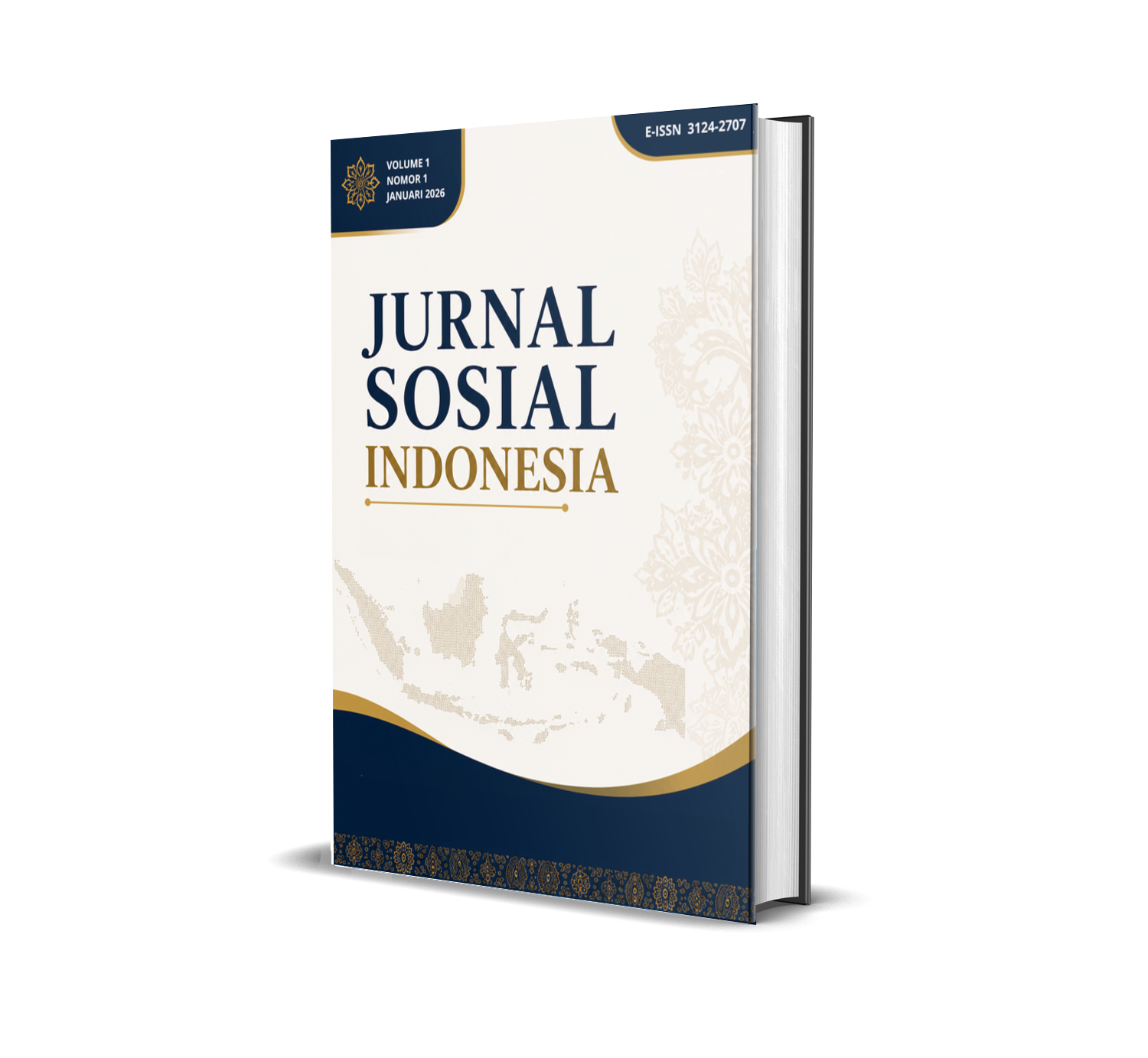
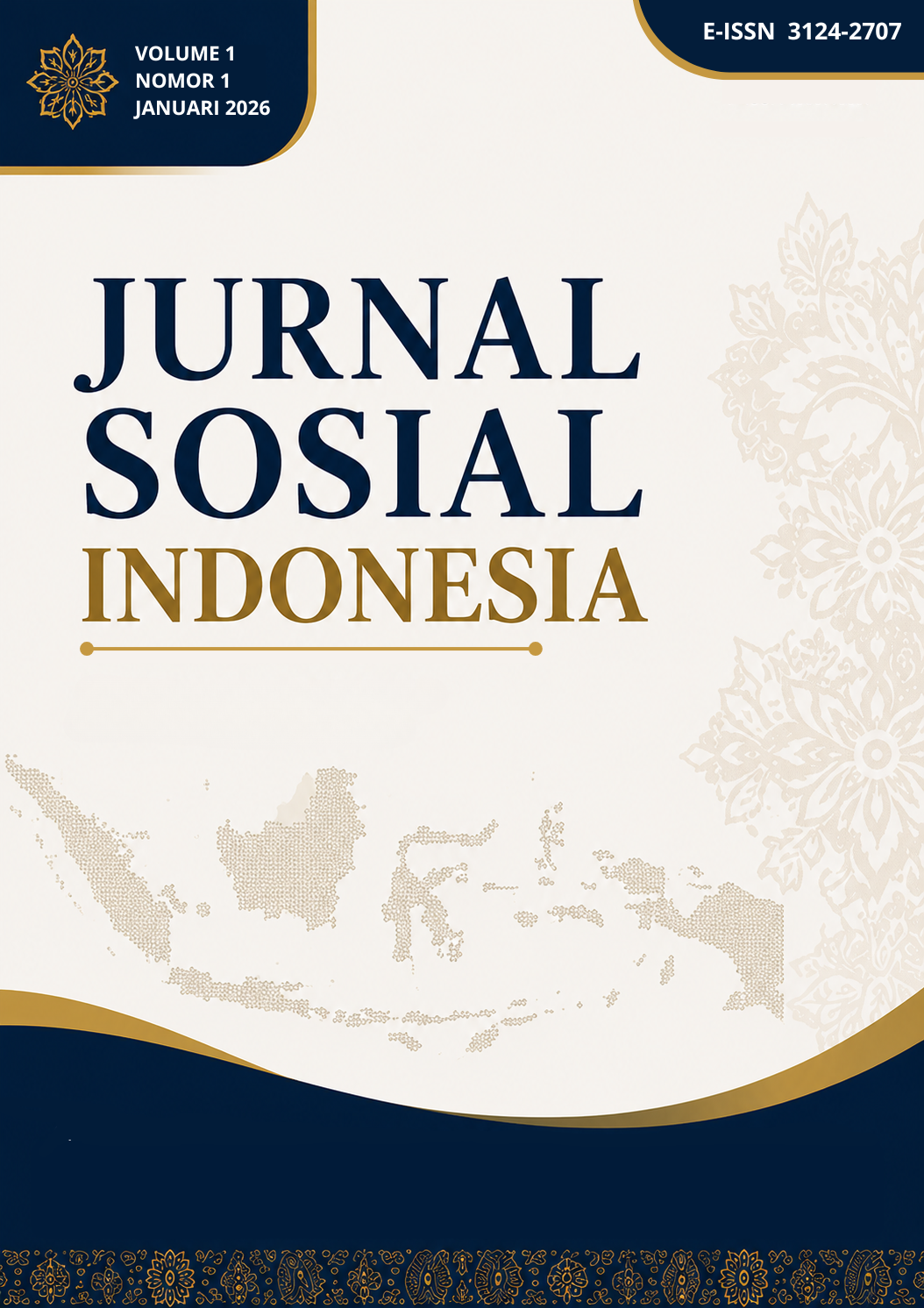
Digital Bureaucracy, Transparency, and Public Trust in Government A Systematic Literature Review
DOI:
https://doi.org/10.31293/jsi.v1i1.8Keywords:
Digital Bureaucracy, Transparency, Public TrustAbstract
The study examines the growing role of digital bureaucracy in transforming public administration by enhancing efficiency, transparency, and public trust. The purpose of the research is to analyze how digital tools, such as e-government platforms, AI, and data analytics, have reshaped bureaucratic systems and their relationship with citizens. A systematic literature review methodology was employed, reviewing studies that assess the integration of digital technologies in government operations. The findings reveal that while digital transformation significantly improves service delivery and transparency, it also introduces challenges, such as the digital divide and concerns over data privacy and security. Digital platforms, by making government processes more accessible, foster greater public trust, yet these tools must be inclusive and secure to prevent alienating marginalized groups. The research suggests that governments need to address digital exclusion through investments in infrastructure and digital literacy programs, and prioritize data protection measures to maintain public trust. The implications of this study are far-reaching, urging policymakers to ensure the equitable distribution of digital services and the ethical use of technology, which is crucial for fostering a well-informed, engaged, and trustful relationship between the government and citizens.
References
Agustina, G. N., & Ardi, R. (2021). The Role of Optimism Bias and Public Trust in the Government on Non-compliant Behavior with Health Protocols. Indigenous: Jurnal Ilmiah Psikologi, 6(April), 14–24. https://doi.org/http://dx.doi.org/10.23917/
Ahmad, N. R. (2025). Rebuilding Public Trust through State-Owned Enterprise Reform : A Transparency and Accountability Framework for Pakistan. International Journal of Business and Economic Affairs (IJBEA), 10(3), 56–69. https://doi.org/10.24088/IJBEA-2025-103004
Akbar, Nurfaisal, Dwi, & Habib. (2025). Restoring Integrity: Re-Voting of the 2025 Serang Regent Election and Its Transformative Power for Local Democracy. Journal of Contemporary Local Politics, 4(1), 81–91.
Albu, O. B., & Flyverbom, M. (2016). Organizational Transparency: Conceptualizations, Conditions, and Consequences. https://doi.org/10.1177/0007650316659851
Androniceanu, A. (2021). Transparency in public administration as a challenge for a good democratic governance. 149–164. https://doi.org/10.24818/amp/2021.36-09
Aneta, Y., Akib, H., Podungge, A. W., Pakaya, R., & Hulinggi, P. A. (2025). The Impact of Digital Transformation and Artificial Intelligence on Bureaucratic Culture Between Efficiency and Discretion. KNE Publishing, 1–20. https://doi.org/10.18502/kss.v10i4.18019
Anggara, S. M., Hariyanto, A., Suhardi, Arman, A. A., & Kurniawan, N. B. (2024). The Development of Digital Service Transformation Framework for the Public Sector. IEEE Access, 12(October), 146160–146189. https://doi.org/10.1109/ACCESS.2024.3406571
Castillo, A. A. (2021). Digital Transformation and the Public Sector Workforce : Association for Computing Machinery, 471–475. https://doi.org/10.1145/3494193.3494257
Cordella, A. (2007). E-government: towards the e-bureaucratic form? Journal of Information Technology, 22, 265–274. https://doi.org/10.1057/palgrave.jit.2000105
Diana, D., Salasaiah, S., & Boonsayan, R. (2025). Public Service Innovation in the Era of Society 5.0: Data Protection, Governance, and Regulation in Indonesia. DISCOURSE: Indonesian Journal of Social Studies and Education, 3(1), 61–72. https://doi.org/10.69875/djosse.v3i1.315
Fountain, J. E. (2007). Bureaucratic Reform and E-Government in the United States: An Institutional Perspective. 07.
Grigorescu, A. (2003). International Organizations and Government Transparency: Linking the International and Domestic Realms. International Studies Quarterly, 47(4), 643–667.
Grigorescu, A. (2007). Transparency of Intergovernmental Organizations : The Roles of Member States , International Bureaucracies and Nongovernmental Organizations. International Studies Quarterly, 51, 625–648.
Grimmelikhuijsen, S. (2012). International Review of Administrative Sciences experiment. International Review of Administrative Sciences, 78(1), 50–73. https://doi.org/10.1177/0020852311429667
Grimmelikhuijsen, S. G., & Meijer, A. J. (2014). Effects of Transparency on the Perceived Trustworthiness of a Government Organization : Evidence from an Online Experiment. The Journal of Public Administration Research and Theory, 24, 137–157. https://doi.org/10.1093/jopart/mus048
Huber, J., & Ting, M. (2021). Civil service and patronage in bureaucracies. The Journal of Politics, 83(3), 902–916.
Indartuti, E., & Sukristyanto, A. (2022). Innovation and Bureaucracy. IAPA International Conference and International Indonesia Conference on Interdisciplinary Studies (IICIS), 1(17), 1–17.
Kim, S., & Lee, J. (2012). E-Participation, Transparency, and Trust in Local Government. https://doi.org/10.111/j.1540-6210.2012.02593.x.E-Participation
Lekkas, C., & Souitaris, V. (2023). Bureaucracy Meets Digital Reality : The unfolding of urban platforms in European municipal governments. https://doi.org/10.1177/01708406221130857
Malizal, Z. Z., & Pratama, M. A. (2025). Digital Bureaucracy and Public Trust in Indonesia: A Governance Analysis of EGDI Trends and Regional Disparities. Politeia : Journal of Public Administration and Political Science and International Relations, 3(2), 100–113.
Mappisabbi, F. (2024). Strengthening Transparency and Accountability in Bureaucracy to Enhance Public Trust. International Journal of Entrepreneurship and Management, 1(4), 101–112.
Meijer, A. (2013). Understanding the Complex Dynamics of Transparency. Public Administration Review, 73(3), 429–439.
Meijer, A., Hart, P., & Worthy, B. (2018). Assessing Government Transparency : An Interpretive Framework. 50(4), 501–526. https://doi.org/10.1177/0095399715598341
Meilani, N. L., & Hardjosoekarto, S. (2020). International Journal of Disaster Risk Reduction Digital weberianism bureaucracy : Alertness and disaster risk reduction ( DRR ) related to the Sunda Strait volcanic tsunami. International Journal of Disaster Risk Reduction, 51(January), 101898. https://doi.org/10.1016/j.ijdrr.2020.101898
Muhlbauer, W. K. (2004). Pipeline Risk Management Manual: Ideas, Techniques, and Resources. Elsevier Science. https://books.google.co.id/books?id=kkAUsmpsopUC
Nenobais, H., Budihardjo, B., Mamuaja, F. F., & Nugroho, F. (2023). EVALUATING THE DIGITAL BUREAUCRACY POLICY : POPULATION DOCUMENT DIGITALIZATION IN DIRECTORATE GENERAL OF POPULATION. International Conference on Community Development (ICCD), 5(1), 619–623. https://doi.org/10.33068/iccd.v5i1.660
Nyeleker, K. P., Fridayani, H. D., & Chiang, L.-C. (2024). SmartASN : A Sustainable Digital Transformation to Human Resource Management in Indonesia ’ s Bureaucracy 4.0. EDP Sciences, 18, 1–13. https://doi.org/https://doi.org/10.1051/shsconf/202420404005
Parent, M., Vandebeek, C., & Gemino, A. C. (2005). Building Citizen Trust Through E-government. December. https://doi.org/10.1016/j.giq.2005.10.001
Paselle, E., Indarto, K., & Rande, S. (2025). Digital Governance in Public Administration: Enhancing Transparency Through E-Government Platforms. The Journal of Academic Science, 2(2), 539–546.
Paulin, A., Anthopoulos, L., & Adewale, A. (2016). Beyond Bureaucracy VS Smart Government ( BBSG 2016 ): Towards the Ecosystem. Bbsg. https://doi.org/10.1145/2912160.2912215
Persson, A., & Goldkuhl, G. (2010). Government Value Paradigms — Bureaucracy , New Public Management , and E-Government Government. 27(1).
Rihi, D. W., Wadu, J., Seran, D. A. N., & Benyamin, R. A. (2025). DIGITAL BUREAUCRACY: CHALLENGES IN IMPLEMENTING THE ELECTRONIC-BASED GOVERNMENT SYSTEM (SPBE) IN THE 3T REGION OF SABU RAIJUA REGENCY. JURNAL TRIAS POLITIKA 2025, 9(2), 310–330. https://doi.org/https://doi.org/10.33373/jtp.v9i2.8135
Steegen, S., Tuerlinckx, F., Gelman, A., & Vanpaemel, W. (2016). Increasing Transparency Through a Multiverse Analysis. Perspectives on Psychological Science, 11(5), 702–712. https://doi.org/10.1177/1745691616658637
Virnandes, S. R., Shen, J., & Vlahu-gjorgievska, E. (2024). Building public trust through digital government transformation: A Building public trust through digital government transformation: A qualitative study of Indonesian civil service agency. Procedia Computer Science, 234, 1183–1191. https://doi.org/10.1016/j.procs.2024.03.114
Vogl, T. M., Seidelin, C., Ganesh, B., & Bright, J. (2019). Algorithmic Bureaucracy Managing Competence, Complexity, and Problem Solving in the Age of Artificial Intelligence Thomas. Social Science Research Network, 148–153. https://doi.org/10.1145/3325112.3325240
Winarni, A. T., & Bundianto, D. (2024). Digitalization of Bureaucracy and Good Governance (A Literature Review of Indonesian Public Administration Reforms in the Post–New Order Era) Aris. International Journal of Social Welfare and Family Law, 1(2), 55–68.
Downloads
Published
Issue
Section
License
Copyright (c) 2026 Diana Diana, Fajar Apriani, Rungarun Boonsayan (Author)

This work is licensed under a Creative Commons Attribution-ShareAlike 4.0 International License.